How Salt, Snow, and Ice Affect Your Vehicle's Braking System?
Posted: Jan 23rd 2026
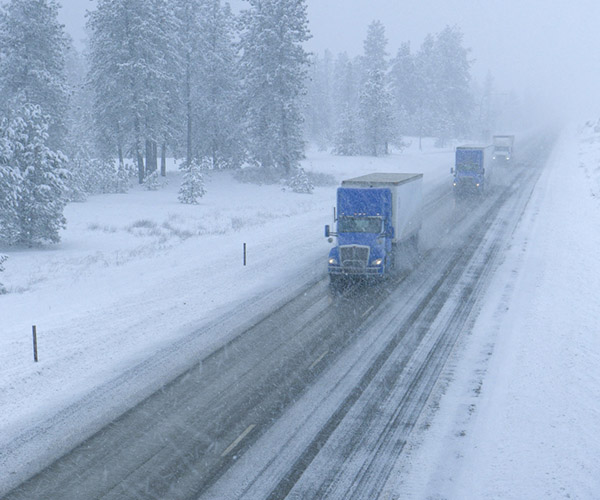
Winter conditions create many challenges for drivers, and your vehicle's braking system is particularly vulnerable. Salt, snow, and ice can combine to reduce braking efficiency, accelerate wear on components, and even cause corrosion over time. Understanding how winter elements affect brakes and taking proactive measures can help maintain vehicle safety and performance. Proper tire traction and routine maintenance become especially important during these colder months.
The Role of Salt
Road salt is commonly used to melt ice and improve traction, but it can have unintended effects on your braking system. Salt promotes corrosion on metal components, including brake rotors, callipers, and lines. Over time, this corrosion may lead to decreased responsiveness or, in severe cases, component failure. Vehicles that use heavy-duty truck parts in commercial or industrial applications are particularly susceptible due to the size and exposure of the braking components. Regular inspection and cleaning are essential to prevent long-term damage.
Snow and Ice Accumulation
Snow and ice can accumulate around brake components, especially in wheel wells or around rotors. Even a thin layer of ice can reduce friction and cause braking to feel less responsive. In addition, packed snow may freeze overnight, leading to uneven braking or pulling to one side. For drivers who operate trucks in harsh winter conditions, ensuring that auto parts are protected and functioning properly is critical for maintaining stopping power and vehicle control.
Moisture and Freezing Temperatures
Moisture from snow and ice can infiltrate brake lines, pads, and discs, potentially leading to rust and corrosion. This is especially concerning for hydraulic systems, as water in the brake fluid can freeze and compromise braking performance. Over time, even small amounts of rust on rotors or callipers may increase wear and reduce braking efficiency. Vehicles equipped with heavy-duty truck parts often experience greater exposure to moisture, making regular maintenance and winter inspections essential.
Preventive Maintenance Tips
To protect your braking system, start with regular inspections before and during the winter months. Check for rust, wear, or damage to brake lines, rotors, and pads. Washing your vehicle's undercarriage, including wheel wells, can help remove road salt and reduce the risk of corrosion. For trucks or larger vehicles, cleaning areas around heavy-duty truck parts like callipers and brake drums may be necessary to maintain performance.
Another preventive measure is using high-quality brake components and replacement auto parts designed to withstand winter conditions. Brake pads made of durable materials and corrosion-resistant rotors may extend the lifespan of your braking system. Additionally, keeping brake fluid fresh and free of moisture helps ensure that hydraulic systems perform optimally in freezing temperatures.
Keep Your Brakes Winter-Ready with CTR Auto Parts!
CTR Auto Parts offers a comprehensive range of parts and heavy-duty truck components designed to enhance braking performance in winter conditions. From corrosion-resistant components to essential replacement parts, their selection may help you keep your vehicle safe and reliable all season. Visit CTR Auto Parts today to ensure your braking system is prepared for snow, ice, and salt.
Book your appointment today!


