How to Test Your Car Battery: A Step-By-Step Guide
Posted: Nov 2nd 2026
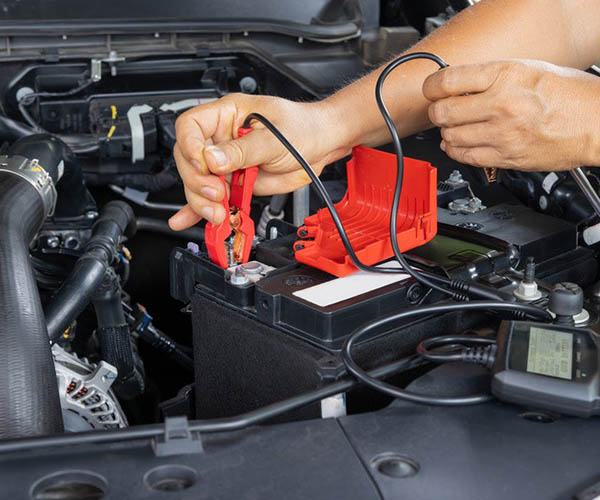
A car that takes several attempts to start or produces a slow engine crank may have a battery problem. However, replacing the battery without testing it first can lead to unnecessary expenses. A few simple checks can help you determine whether your battery is charged, whether its connections need attention, or whether further testing is necessary. With the right tools and basic precautions, you can check its condition at home.
Step 1: Prepare Your Vehicle and Tools
For a basic test, you need a digital multimeter, safety glasses, and your vehicle's owner's manual. Park on level ground, switch off the engine, remove the key, and turn off lights and other electrical accessories.
Keep metal tools away from the battery terminals. Never test a battery that is swollen, cracked, leaking, or possibly frozen. These conditions require professional attention.
Step 2: Inspect the Battery and Connections
Open the hood and locate the battery. Check the terminals and cables for looseness, corrosion, or visible damage. Corrosion may appear as a white or bluish deposit around the connections.
Loose or corroded connections can interrupt the flow of electricity and cause starting problems, even when the battery itself is still usable. If you notice damage or are unsure how to clean the terminals safely, ask a qualified technician to inspect them.
Step 3: Measure the Resting Voltage
Select the multimeter's DC voltage setting. Attach the red cable to the voltage input and the black cable to the COM port. Then, touch the black probe to the battery's negative post and the red probe to its positive post to check the voltage reading.
For a conventional 12-volt lead-acid battery that has rested after charging or driving, a reading near 12.6 volts generally indicates a full charge. A lower reading may mean the battery needs charging, but it does not automatically mean the battery must be replaced. Temperature, battery type, and recent use can affect the result.
Step 4: Observe the Battery During Starting
A battery can show reasonable resting voltage but still struggle to supply enough power to start the engine. If the engine cranks slowly, the battery may be weak, or the starter and electrical connections may need inspection.
Testing voltage during cranking can provide additional clues, but probes and cables must be kept clear of moving engine parts. If you are unfamiliar with this procedure, have a technician perform a battery load test.
Step 5: Check for Charging Problems
If the battery repeatedly loses charge, the alternator or another part of the charging system may be responsible. The cause can be found with the use of a charging-system test. Modern vehicles may adjust charging voltage, so a single running-voltage reading is not always conclusive. When the engine is running, do not unplug the battery.
When Is Replacement Necessary?
Repeated starting failures, poor test results, and an inability to hold a charge are reasons to seek further testing. Reliable car batteries are essential for dependable starting, while suitable car accessories can support everyday vehicle maintenance. Fleet operators sourcing heavy-duty truck parts should also include battery and charging-system checks in their maintenance schedules.
Keep Your Vehicle Ready With CTR Auto Parts!
Finding suitable parts is an important step in maintaining a dependable vehicle. CTR Auto Parts provides automotive parts and products for a range of vehicle needs. Whether you are preparing for routine maintenance or researching replacement components, explore
CTR Auto Parts to find options for your next repair and keep your vehicle maintenance plans on track.
Contact us!


