Suspension Check Season: Fixing Winter Wear and Tear in Spring
Posted: May 25th 2026
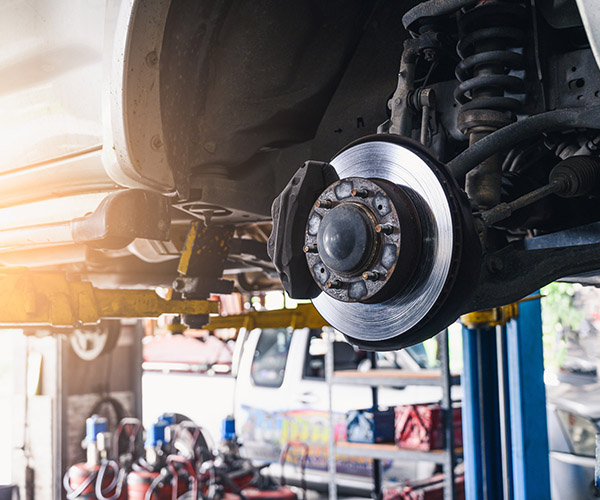
Winter conditions can be hard on vehicles. Snow, potholes, road salt, ice, and freezing temperatures all place extra stress on suspension systems. Many drivers start to notice uneven tyre wear, strange noises or harder rides by the time spring arrives.
A seasonal suspension inspection is an important step in identifying hidden damage before it develops into larger mechanical issues. Whether driving a passenger vehicle or managing commercial fleets, replacing worn car parts after winter may improve both comfort and vehicle stability during spring and summer driving.
Why Winter Impacts Suspension Systems
Suspension systems absorb road shock and help maintain tire contact with the road surface. Potholes are particularly prevalent in the winter because pavement is weakened by freezing and thawing cycles. Repeated impact from rough roads can place stress on shocks, struts, springs, and control arms.
Road salt and moisture may also contribute to corrosion on certain auto parts, especially underneath the vehicle, where suspension components are exposed continuously. Over time, this wear may affect steering response, braking stability, and overall ride quality.
Common Signs of Suspension Wear
Spring is a good time to pay attention to changes in how a vehicle feels while driving. Some of the most common warning signs include:
- Excessive bouncing after bumps
- Pulling to one side while driving
- Uneven tire wear
- Clunking or knocking sounds
- Loose or unstable steering
- Vehicle sagging on one side
Ignoring these symptoms may place additional stress on related car parts and increase repair costs over time.
The Importance of Replacing Worn Components
Damaged suspension components rarely improve on their own. Worn shocks, bushings, ball joints, or springs may continue to deteriorate as driving conditions change throughout the spring.
Replacing worn auto parts promptly may improve ride comfort, handling, and tire lifespan. Proper suspension performance also contributes to more stable braking and steering control during wet spring road conditions. Because suspension systems handle both vehicle weight and freight needs, seasonal checkups are especially beneficial for commercial vehicles and towing equipment.
Heavy-Duty Vehicles Require Extra Attention
Fleet vehicles, pickups, and transport trucks often experience more suspension strain than standard passenger vehicles. Rough winter roads combined with heavy loads can accelerate wear on steering and suspension systems.
Routine inspection of heavy-duty truck parts is important after winter because worn components may affect alignment, stability, and operational performance. Leaf springs, suspension bushings, tie rods, and shock absorbers should all be checked carefully during seasonal maintenance.
Spring Maintenance Supports Safer Driving
Tires, brakes, and steering parts are all strongly related to suspension systems. When one part wears out, surrounding systems may also experience additional stress. A spring inspection provides an opportunity to identify small issues before they become larger repair concerns. Replacing damaged auto parts and inspecting important heavy-duty truck parts may support safer and more reliable driving throughout the year.
Get Your Vehicle Ready for Smoother Spring Driving!
CTR Auto Parts supplies quality replacement parts for passenger vehicles, commercial fleets, and heavy-duty applications. From suspension components to essential maintenance items, reliable parts play an important role in restoring vehicle performance after winter conditions. Seasonal inspections and timely replacements may support safer handling and long-term reliability on the road.
Contact us!


